Ashland Park Lexington Lifestyle and Daily Living
May 28, 2026
May 28, 2026
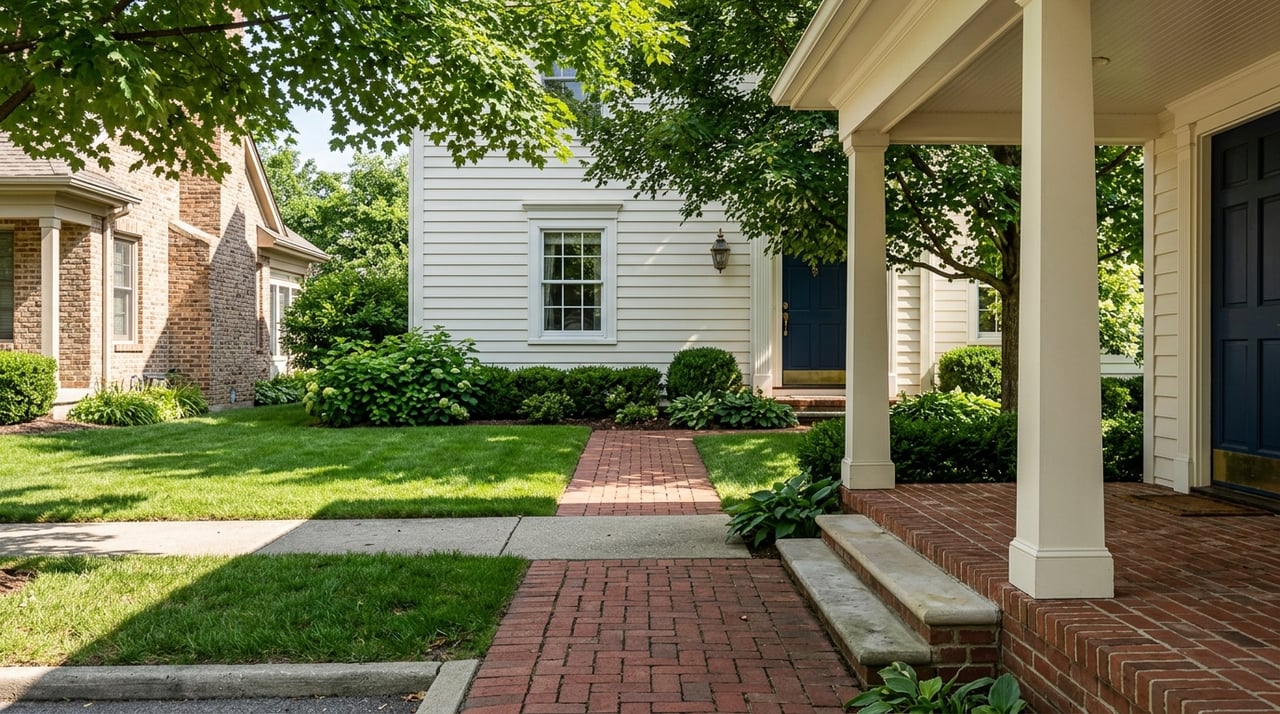
Ashland Park feels different the moment you enter it. The streets curve instead of rushing you in straight lines, mature trees soften the view, and the homes tell a long architectural story without feeling like a museum. If you are trying to picture what everyday life here actually looks like, this guide will help you understand how design, history, and routine come together in one of Lexington’s most recognizable residential areas. Let’s dive in.
Ashland Park was created as an early 20th-century residential subdivision on land connected to Henry Clay’s Ashland estate. Henry Clay McDowell Jr. hired the Olmsted Brothers to plan the neighborhood, and John Charles Olmsted proposed a layout with curving streets, parkways, and triangular greens. The first lots were sold in 1919, and development continued through the 1920s.
That planning still shapes how the neighborhood feels today. What began at Lexington’s eastern edge is now recognized on city maps as both a National Register district and a local H-1 historic district, designated in 2013. In practical terms, that means Ashland Park is not just old. It is a place where planning and preservation continue to matter.
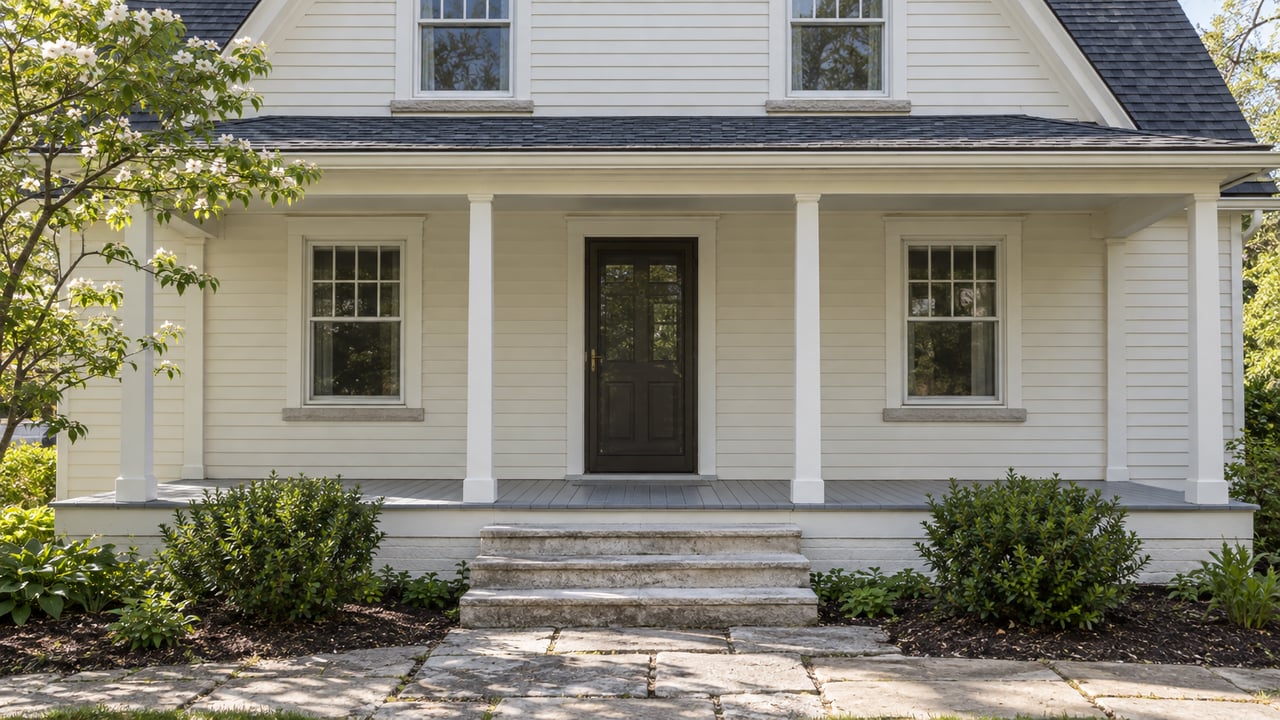
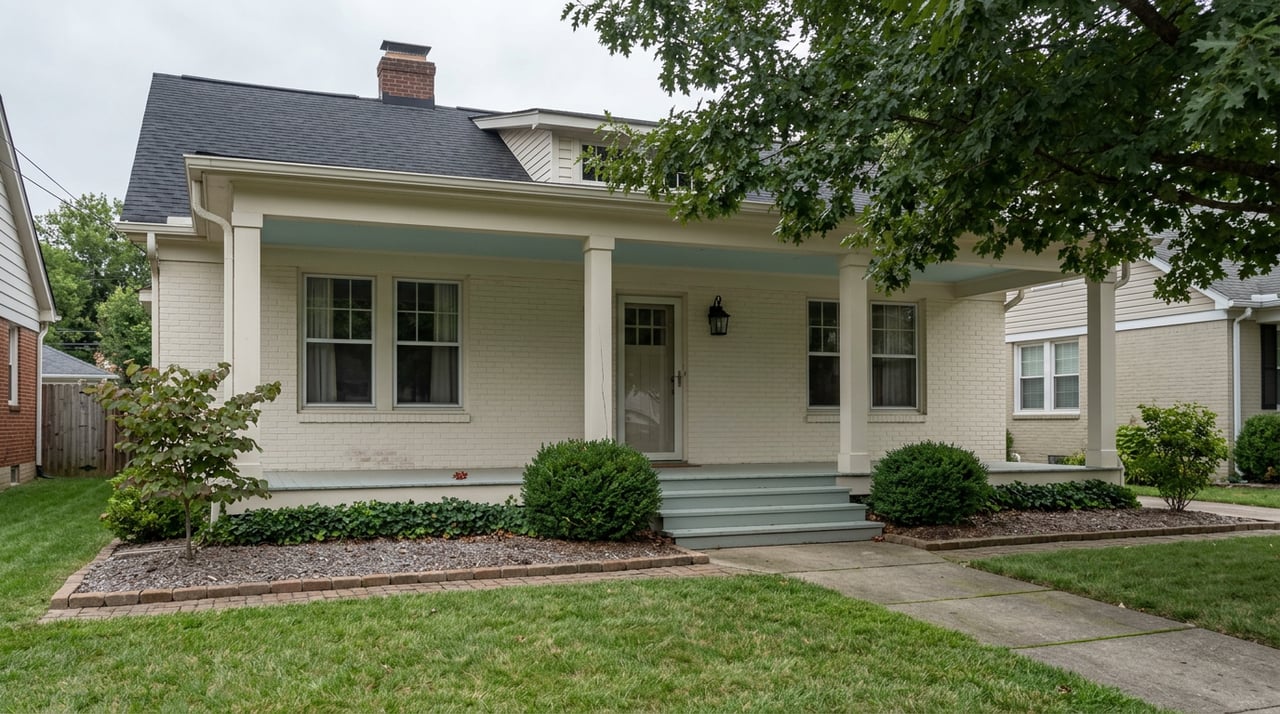
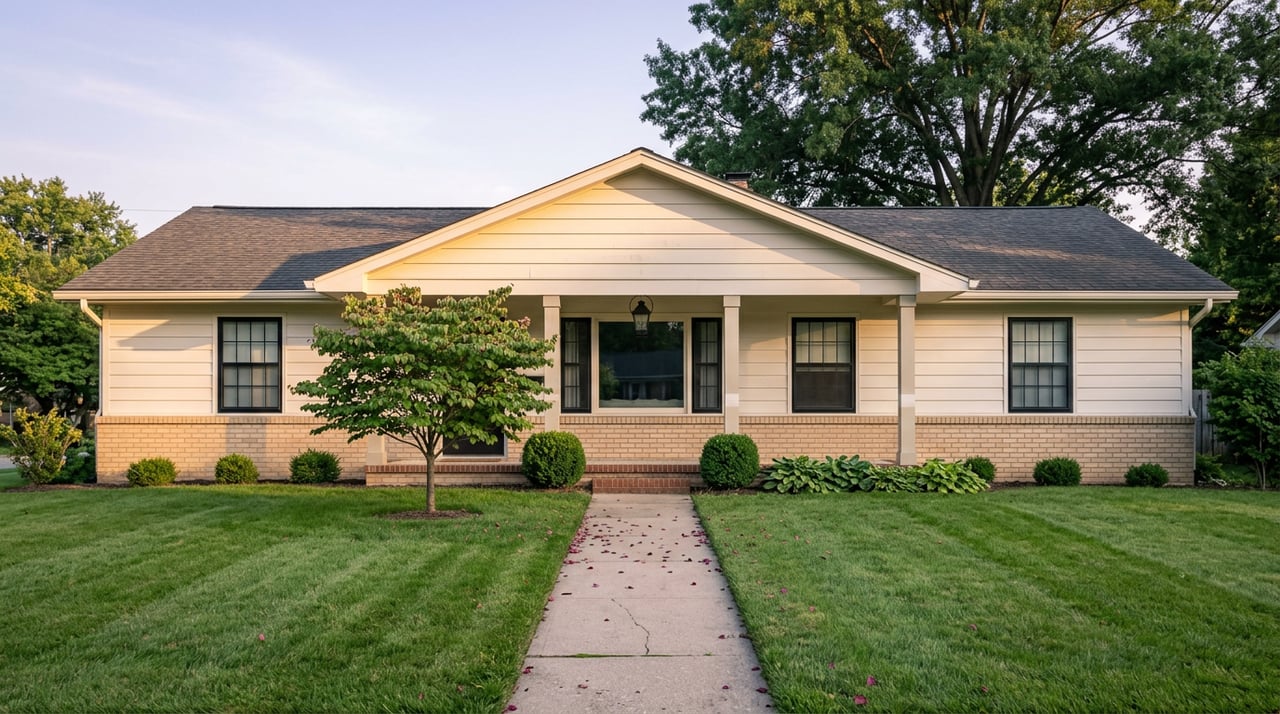
Ashland Park is mostly a single-family neighborhood, and its homes reflect a broad mix of early 20th-century styles. You will see Colonial Revival, Craftsman and Bungalow, Tudor Revival, Dutch Colonial Revival, Prairie, Georgian Revival, Spanish Eclectic, French Eclectic, and Italian Renaissance influences. That range gives the area visual variety while still feeling cohesive.
For buyers who care about design, this is part of the appeal. You are not looking at one repeated house type over and over. Instead, the neighborhood offers a layered streetscape where details like rooflines, porches, windows, masonry, and entry treatments create interest from one block to the next.
In Ashland Park, the landscape plan matters just as much as the houses. Curving lanes, landscaped medians, mature trees, and a small number of right-angle intersections create a softer feel than a standard grid neighborhood. That design gives the area a garden-suburb character that still reads clearly today.
The streetscape adds another layer. Tree-lined residential blocks, brick walls, iron gates, and tall hedges around many homes contribute to a sense of privacy and visual rhythm. Even if you are simply taking a walk, the neighborhood feels intentionally composed.
A curving street system changes your experience in small but important ways. Views unfold gradually, corners feel less abrupt, and green space becomes part of the pattern of the neighborhood rather than an afterthought. In a place like Ashland Park, that can make a short walk feel more relaxed and memorable.
You cannot really talk about Ashland Park without talking about Ashland, the Henry Clay Estate. Located at 120 Sycamore Road, the estate is deeply tied to the land that later became part of residential Lexington. Henry Clay began acquiring the land in 1804 and named the home for the ash trees on the property.
Today, Ashland preserves the main house, gardens, and core grounds of the historic estate. The site is a 17-acre public historic attraction and National Historic Landmark with tours, educational programming, garden paths, and community events. While the original Clay estate once covered roughly 600 acres, the remaining grounds still give the neighborhood a living connection to Lexington’s past.
For residents and visitors, Ashland is more than a landmark. It can become part of a regular rhythm, whether that means a walk along the grounds, attending an event, or simply enjoying the presence of a major historic site nearby. That kind of access adds texture to daily life in a way that is hard to replicate.
Ashland Park is primarily residential, but its location supports an easy daily routine. Chevy Chase serves as the key nearby commercial district, and it is known as one of Lexington’s oldest shopping districts. It is described as walkable and tree-lined, with boutiques and a range of dining options.
That matters if you want a neighborhood that feels residential without feeling isolated. The area’s layout suggests a lifestyle built around neighborhood walks, quick errands, coffee or lunch in Chevy Chase, visits to Ashland’s grounds, and short drives to the University of Kentucky or downtown Lexington. Richmond Road also connects the area to New Circle Road, which supports broader access across the city.
Because Ashland Park is within Lexington’s local H-1 historic district framework, the city’s Historic Preservation office reviews projects in the area. For homeowners, that is an important part of the neighborhood context. It helps preserve the character that makes the area distinctive in the first place.
If you are considering a home here, this is worth understanding early. Historic district oversight can affect exterior changes and project planning, so the architectural appeal of the neighborhood comes with a preservation framework that supports its long-term identity.
Some neighborhoods are defined by convenience. Others are defined by architecture. Ashland Park stands out because it brings together planning, design, and day-to-day livability in one place.
You have a neighborhood shaped by Olmsted planning principles, a varied collection of early 20th-century homes, a streetscape that encourages walking, and close ties to both Ashland and Chevy Chase. For buyers who value character and setting, that combination is a big part of what makes Ashland Park memorable.
For many buyers, Ashland Park offers more than a house. It offers a setting where architecture is part of everyday life, not just a feature on a listing sheet. The appeal often comes from the full picture.
That can include:
If you are drawn to homes with design history, established landscaping, and a strong sense of place, Ashland Park is the kind of neighborhood worth exploring carefully.
If you are thinking about buying or selling in Lexington and want guidance that understands architecture, neighborhood context, and presentation, Bradford Queen offers a tailored market strategy and white-glove representation.
Q3 2026 Central Kentucky Market Report

Every move is unique, and success is measured by both the experience and the outcome. In partnership with Bradford, every detail will be handled with persistence, discretion, and care.
Let's Connect

Bluegrass Sotheby's International Realty 1999 Richmond Road, Suite 400 Lexington, Kentucky 40502