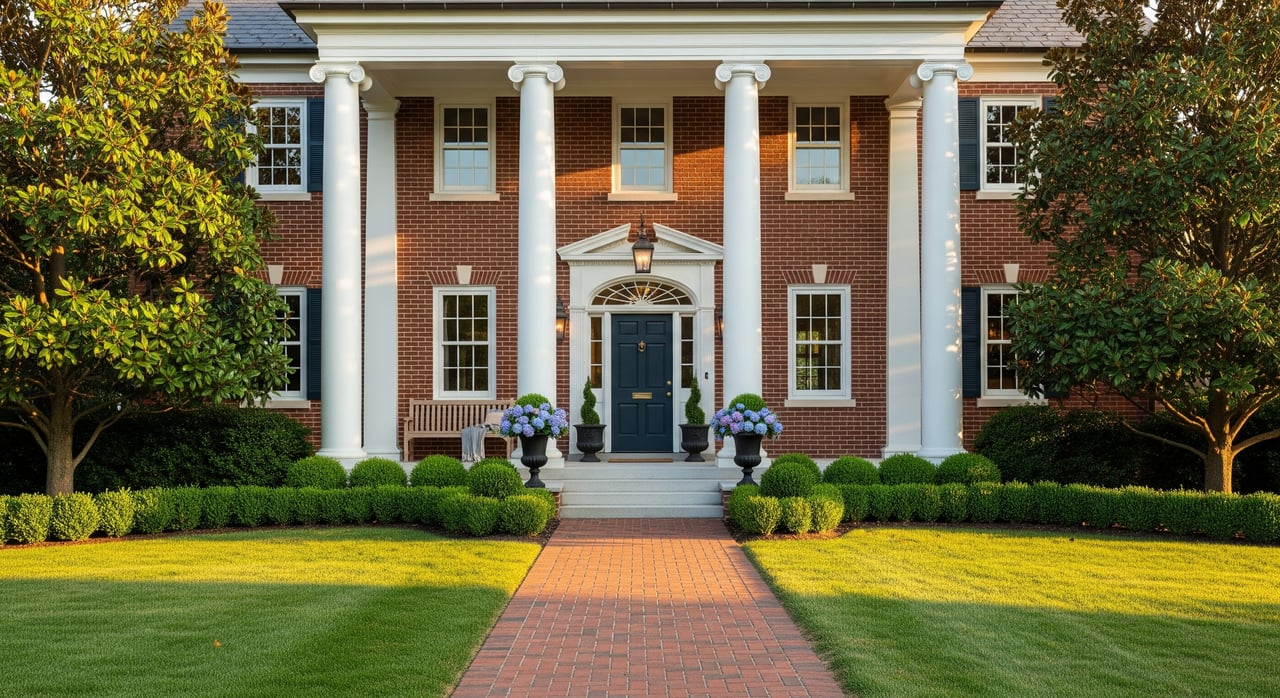
How to Prepare Your Ashland Park Home for a Spring Sale
January 15, 2026
January 15, 2026
Getting your Ashland Park home ready for a spring listing can feel like a balancing act. You want strong offers without losing the character that makes your home special. In this guide, you’ll learn what today’s buyers look for in historic Lexington homes, how to preserve period details while making smart updates, and the exact steps to launch a polished listing this spring. Let’s dive in.
Buyers in Ashland Park often value original architectural details along with reliable modern systems. They notice hardwood floors, fireplaces, built-ins, trim, and period hardware. At the same time, they expect functional HVAC, electrical, and plumbing, plus kitchens and baths that fit the home’s style.
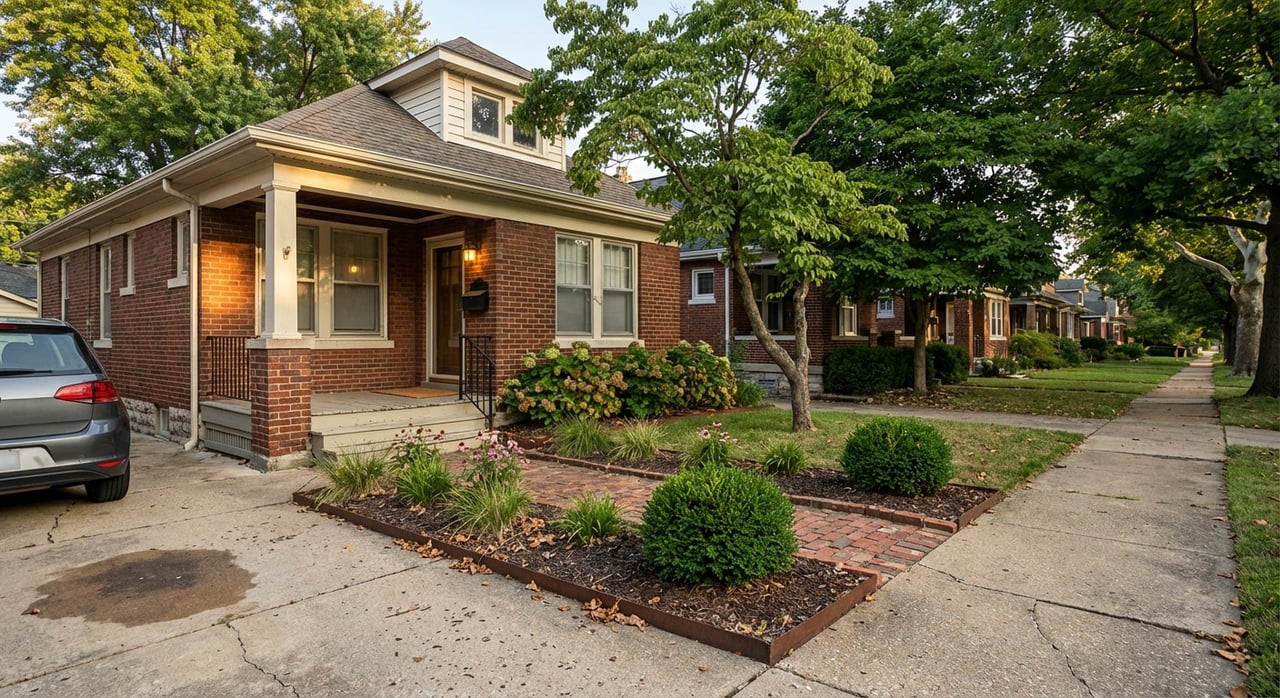
Many are drawn to the neighborhood’s tree-lined streets and early 20th-century architecture like Colonial Revival, Craftsman, and Tudor Revival. Your goal is to keep that character front and center while showing that the home is well maintained and move-in ready.
Ashland Park is recognized as a historic district. Before starting exterior work, check with the Lexington-Fayette Historic Preservation Office to confirm design review or permit steps for items like window changes, porch repairs, or exterior alterations.
If your home was built before 1978, federal law requires a lead-based paint disclosure. Gather any reports or records you have now so buyers see you are prepared. Also confirm that past repairs or upgrades were permitted where required, and keep warranties and receipts ready for your buyer packet.
Put safety and systems first. Service the HVAC, confirm electrical and plumbing are safe, and address any water intrusion or roof issues. Buyers gain confidence when you can show recent service records or warranties.
Refresh finishes that highlight original features. Repair and refinish hardwood floors where needed. Patch plaster, touch up paint, and choose neutral, soft tones that make trim and moldings pop. When possible, keep original hardware and woodwork.
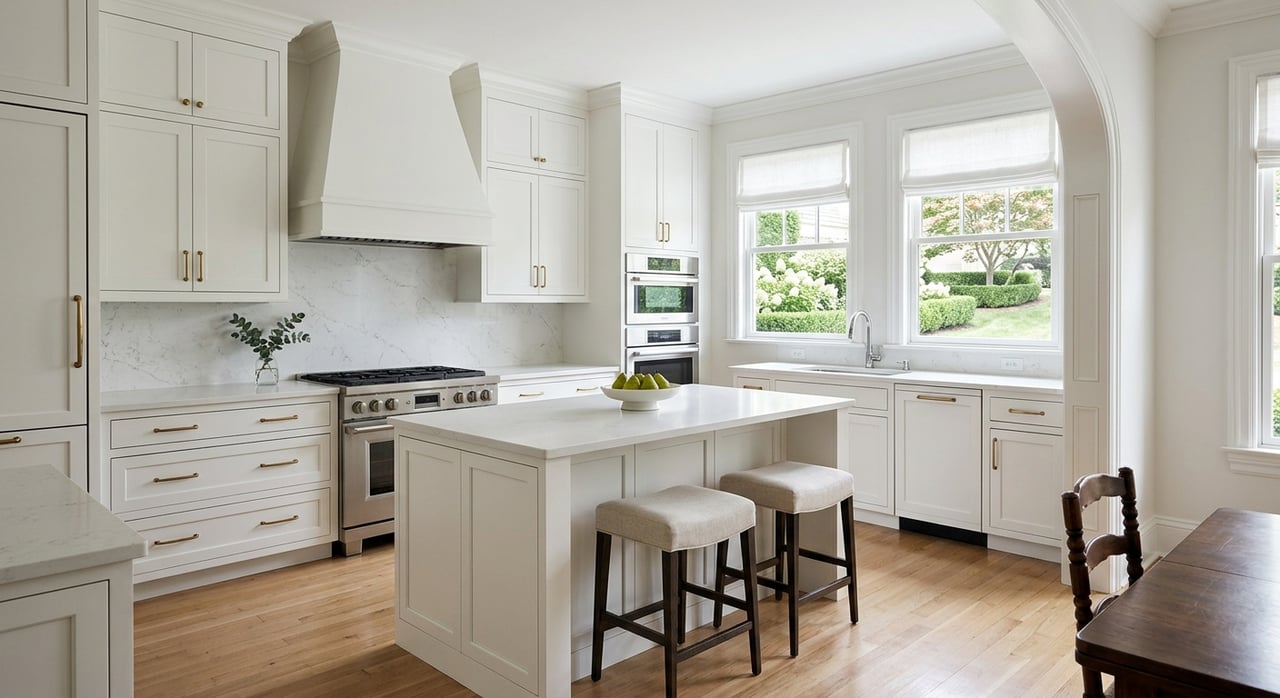
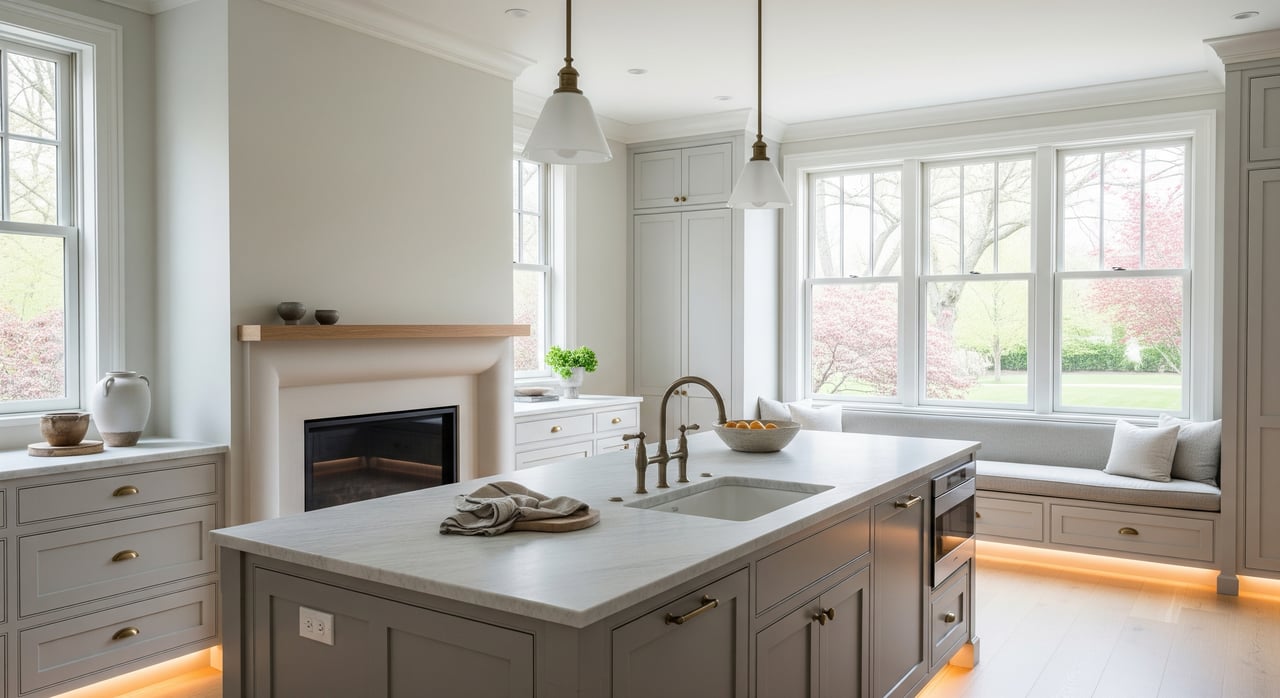
Make strategic kitchen and bath improvements. Favor high-impact cosmetic updates over full remodels unless the space truly demands it. Consider painting cabinets, updating hardware, swapping dated lighting, regrouting tile, and installing counters that suit the era. Keep appliances modern and well sized for the room.
Prioritize historic windows. Repair and weatherstrip original sash where feasible, and consider interior storm panels to boost efficiency without losing character. If replacement is necessary, use compatible profiles and keep any approval records on hand if your project required review.
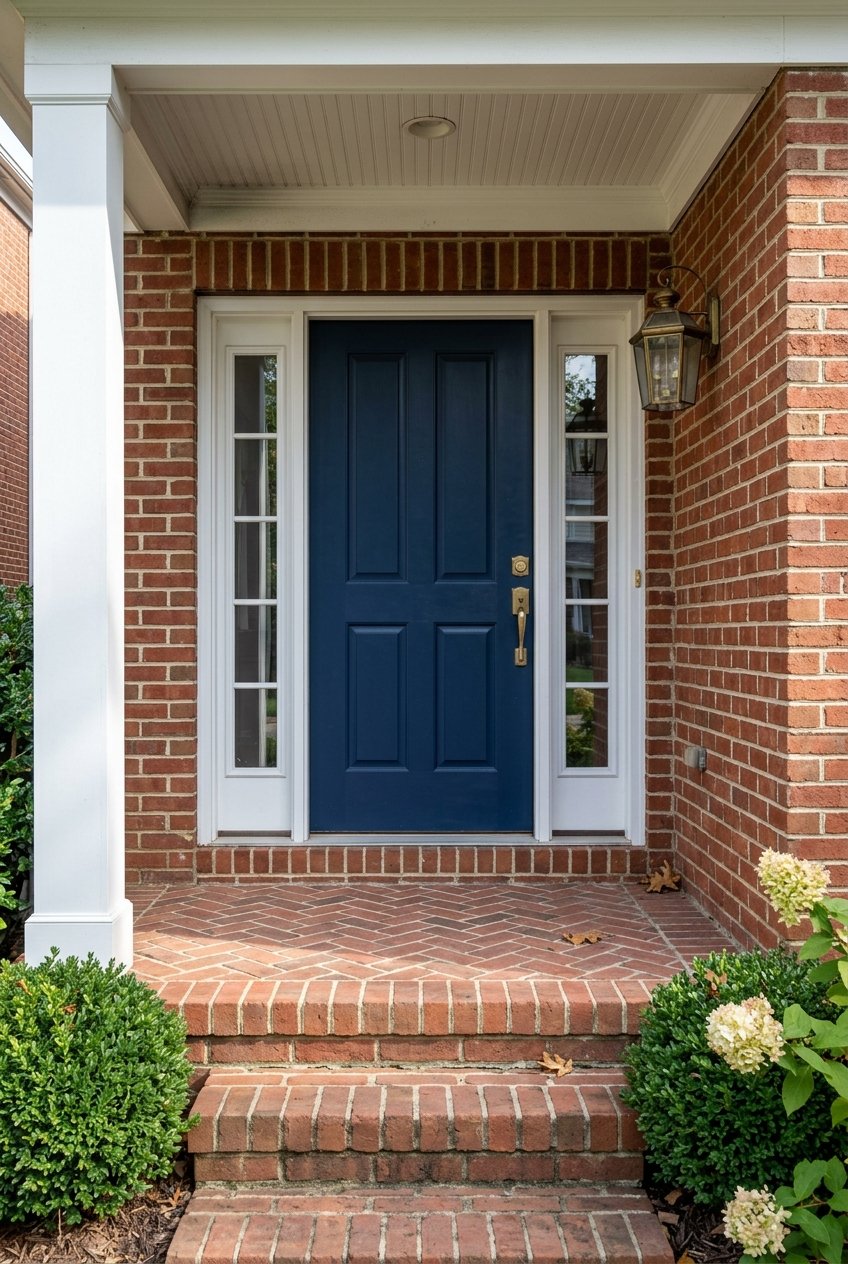
Tend to the porch and entry. Repair steps, railings, and porch flooring, then style the space with simple seating and planters. A tidy, inviting porch is a major selling feature in Ashland Park.
Refresh paint and small exterior fixes. Address peeling areas and minor siding repairs, and choose colors that match the home’s period or a tasteful neutral palette. Confirm roof and gutters are in good order and document any recent work.
Polish landscaping for spring. Prune shrubs to reveal architecture, add fresh mulch, and plant seasonal flowers. Pressure-wash walks and repair trip hazards. Update exterior lighting and house numbers for a subtle, high-impact finish.
Curate, don’t overwhelm. Arrange furniture to frame mantels, built-ins, windows, and archways. Keep scale in mind so pieces fit the proportions common in early 20th-century rooms.
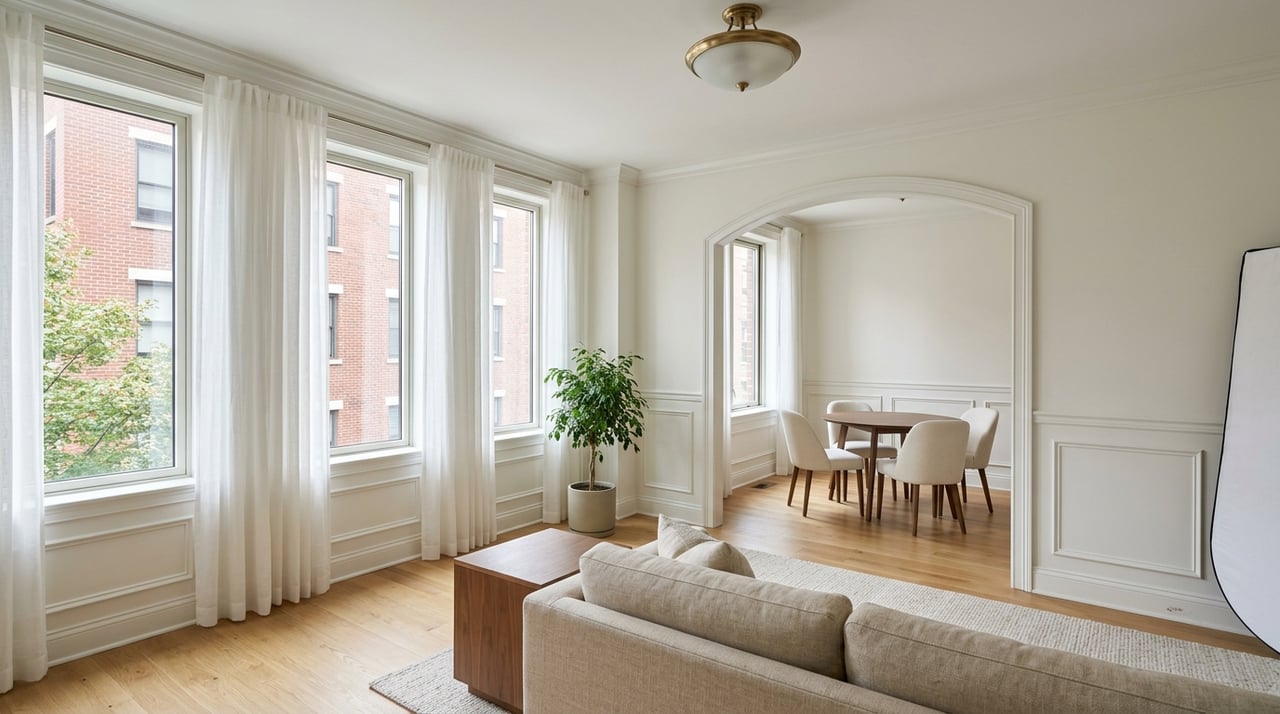
Aim for warm neutrals with a few accents. Soft tones let woodwork and floors shine. Use textiles and artwork that complement, rather than compete with, your home’s style. If a room has changed use over time, stage it to show flexible potential.
Style outdoor rooms. A porch with a small seating area, seasonal plants, and a clear path creates an immediate welcome. For spring, keep surfaces spotless and invite buyers to linger.
Great photos start with great light. Schedule interior photography mid-day for bright, even rooms. Ask your photographer to capture close-ups of moldings, hardware, fireplace tile, and porch details along with wide shots.
Include exterior images that show the full facade, porch, and landscaping. Twilight shots can add warmth if exterior lighting is ready. A simple, accurate floor plan and a guided virtual tour help buyers understand the layout of a historic home.
Use this 8 to 10 week plan to hit the spring market with confidence. Adjust to your target go-live date.
Bradford offers a hands-on, concierge approach that respects your home’s character and your time. Here is a streamlined version of the white-glove workflow you can expect.
Initial consult and goals
Compliance and documentation
Contractor coordination
Systems and structure
Historic fabric care
Finish upgrades
Staging and merchandising
Quality check and clean
Media and marketing
Launch and showings
With boutique service, strategic pricing, premium photography, and global syndication through a luxury platform, you position your Ashland Park listing for a strong spring debut.
If you want to preserve your home’s story while maximizing sale appeal, start early and follow a plan that fits Ashland Park’s character. A few focused repairs, curated staging, and polished media will help buyers connect with your home the moment they walk in. For a tailored strategy and a white-glove prep plan, connect with Bradford Queen.
Every move is unique, and success is measured by both the experience and the outcome. In partnership with Bradford, every detail will be handled with persistence, discretion, and care.
Let's Connect

Bluegrass Sotheby's International Realty 1999 Richmond Road, Suite 400 Lexington, Kentucky 40502