Your Downtown Lexington Condo Guide to Top Buildings
March 24, 2026
March 24, 2026
Wondering which downtown Lexington condo building actually fits your lifestyle, not just your budget? With so many options in Central Downtown, it can feel hard to compare amenities, HOA fees, parking, and pet rules. You want the right blend of convenience, character, and long-term value. In this guide, you’ll learn how to focus your search, what to verify with each HOA, and how different buildings in Lexington stack up so you can choose with confidence.
Let’s dive in.
Before you tour, define 3 to 4 non-negotiables. This saves time and keeps you focused when great views or finishes try to distract you.
Set these early and you will screen buildings faster.
Different buildings offer very different day-to-day experiences. Here is how the main types compare in Central Downtown.
Converted lofts often feature exposed brick, high ceilings, and one-of-a-kind layouts. Amenities are lighter, and parking can be limited or assigned off site. Example: Lofts at Gratz Park near 200 W Second St.
These 2000s-era buildings blend modern finishes with useful amenities like a fitness room, secure entry, rooftop spaces, and garage parking. Example: Main & Rose at 350 E Short St.
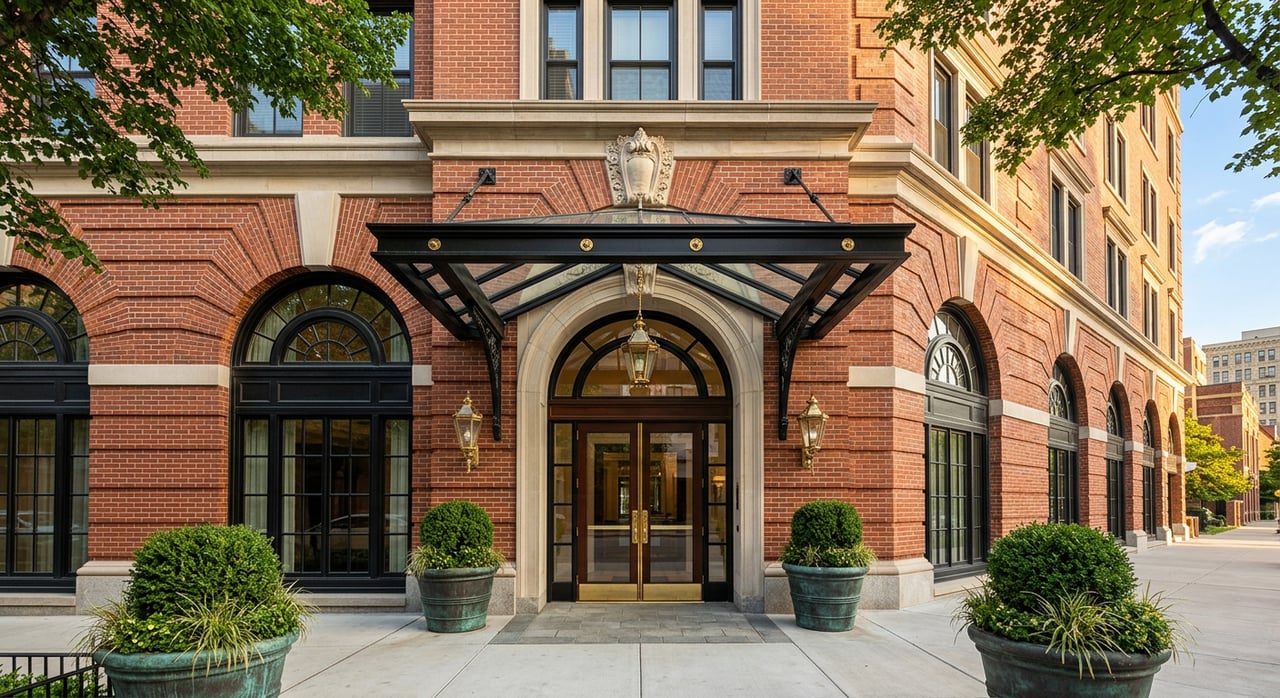
Newer, higher-end buildings deliver sleek finishes, floor-to-ceiling windows, and premium locations. Expect smaller inventories and a price premium for views and proximity to venues. Example: 500s on Main at 505 W Main St across from Rupp Arena.
Larger communities can include pools, saunas, guest suites, and 24-hour security. HOA dues tend to be higher to support these services, but you gain convenience and a broad owner-occupant buyer pool. Example: The Woodlands at 111 Woodland Ave.
Older towers may offer rooftop or pool amenities and a mix of owner and investor occupancy. HOA health can vary based on reserves and recent capital projects. Example: 355 S Broadway.
These buildings sit between campus and downtown with secure entry and garage parking. They market as quiet, lock-and-leave living close to the city core. Example: High Point at 499 E High St and City Court at 250 S Martin Luther King Blvd.
Amenities drive monthly dues. Full-service buildings with on-site management, pools, fitness spaces, guest suites, and catering rooms will cost more each month but deliver daily convenience and strong appeal to owner-occupants. Mid-rise mixed-use buildings usually balance costs with practical perks like a gym, rooftop terrace, and secure garage. Historic loft conversions lean into character over building services, which can mean leaner dues but fewer amenities.
When comparing, look beyond the headline fee. Ask what services the HOA covers, how often common areas are updated, and whether reserves are funding future projects. A slightly higher fee in a well-run building can be smarter than a low fee followed by a special assessment.
Most downtown condos include at least one assigned space in a garage or surface lot. Guest parking is often limited, so confirm how visitors park and whether a second vehicle can be accommodated.
For overflow or weekday work parking, the city’s parking authority, LEXPARK, operates several downtown garages and manages monthly passes, street meters, and hospitality options. You can review details in the LEXPARK FAQs, including garages like Victorian Square, Transit Center, Helix on Main, and Courthouse Garage. Check availability and costs through the official LEXPARK frequently asked questions.
Each HOA sets written pet rules in its declaration and house rules. Some downtown buildings allow pets with deposits and limits, while others restrict or discourage them. Confirm size or breed limits, the number of pets allowed, and whether any recent owner votes changed the policy. Do not rely on listing blurbs alone. Ask for the current rules in writing.
Kentucky’s Condominium Act is the primary state statute for condo communities. It outlines association and owner responsibilities and gives owners the right to examine association records. You can review the statute overview at KRS 381.9101 and a practical summary of association records at Community Associations Law.
Request these documents before you write an offer:
Use your right to inspect records to evaluate near-term costs and future risk. If an HOA packet is slow to arrive or incomplete, treat that as a signal to dig deeper.
Financing can vary by project. FHA rules changed in 2019 to allow single-unit approvals in some buildings that lack full project approval. Learn more about the policy at the HUD update on FHA condominium approvals. Veterans using VA loans must confirm that the condo is VA-approved, or work with a lender to request approval. See a consumer-friendly overview of the process in the VA condo loan guide.
Ask your lender to verify approval status during pre-approval, especially if you are considering multiple buildings. Also review owner-occupancy and rental rules, because these affect both loan eligibility and buyer demand. Finally, look hard at reserves and any history of special assessments. A building with well-funded reserves and clear capital planning can support stronger resale values and a smoother ownership experience.
Use this quick filter to organize your search.
These examples show the range of experiences in Central Downtown. Always confirm current fees, rules, and parking with each HOA.
If you want a clear, side-by-side plan for your favorite buildings, I can help you request the right HOA packets, coordinate lender checks, and pressure-test parking and pet details before you offer. You will know where the true costs and trade-offs are, and where the value holds for resale.
If you are ready to tour and build a confident shortlist, connect with Bradford Queen for tailored guidance and concierge-level representation.

Every move is unique, and success is measured by both the experience and the outcome. In partnership with Bradford, every detail will be handled with persistence, discretion, and care.
Let's Connect

Bluegrass Sotheby's International Realty 1999 Richmond Road, Suite 400 Lexington, Kentucky 40502