A Buyer’s Guide to Kenwick Bungalows and Craftsman Homes
May 7, 2026
May 7, 2026
If you are drawn to older homes with real character, Kenwick is one of Lexington’s most recognizable places to start. This neighborhood’s early-20th-century bungalow roots still shape how many homes look, feel, and trade today. If you are thinking about buying here, understanding the architecture, block-by-block differences, and common repair issues can help you make a smarter decision. Let’s dive in.
Kenwick’s identity is closely tied to its history as an early subdivision area in Lexington. The Kentucky Historical Society notes that the neighborhood was platted in 1909, grew through six subdivisions between 1909 and 1920, and then filled out with Craftsman-style bungalows during the 1930s. That history still shows up clearly in the homes you see today.
This is one reason Kenwick feels different from neighborhoods with more mixed or newer housing stock. It is not just a place with older homes. It is a neighborhood where the bungalow form remains central to its visual character, especially in the first blocks off Richmond Road.
Kenwick also sits within Lexington’s 5th Council District, which the city describes as an area of historic neighborhoods, walkable streets, active neighborhood associations, and the Richmond Road corridor. For buyers, that means location value is tied not only to the house itself, but also to the broader east-side setting and access to daily amenities.
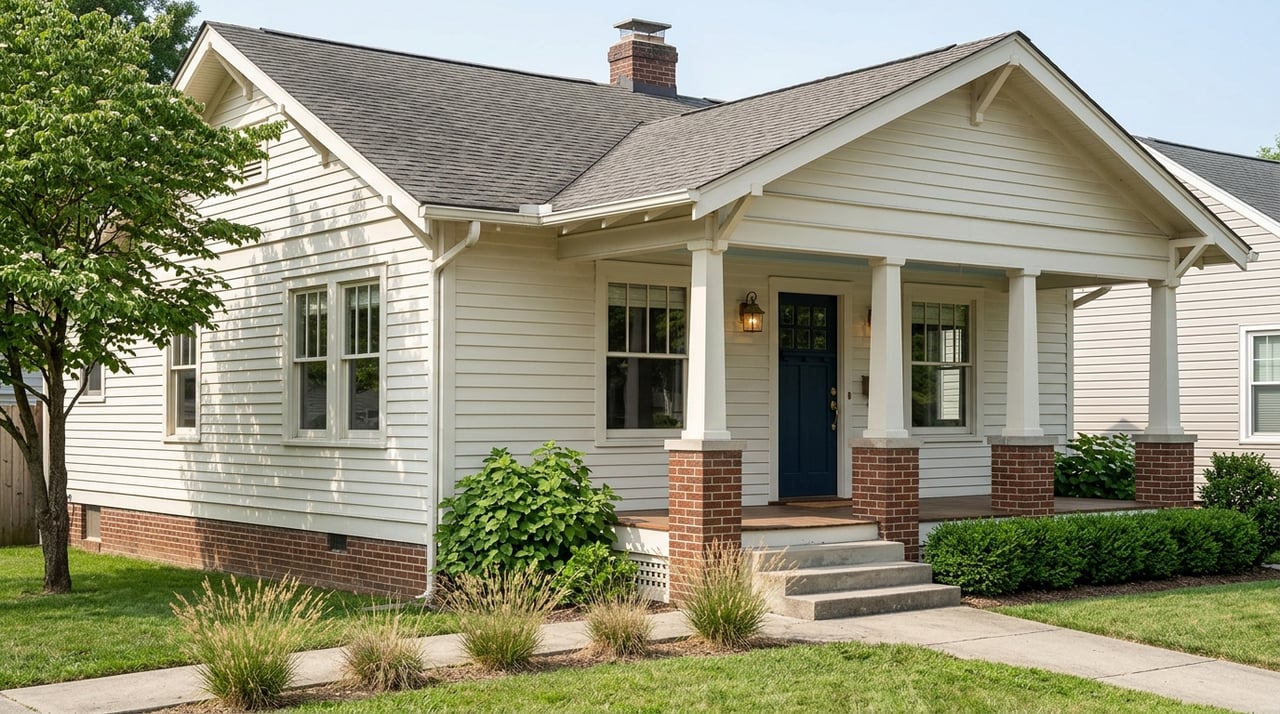
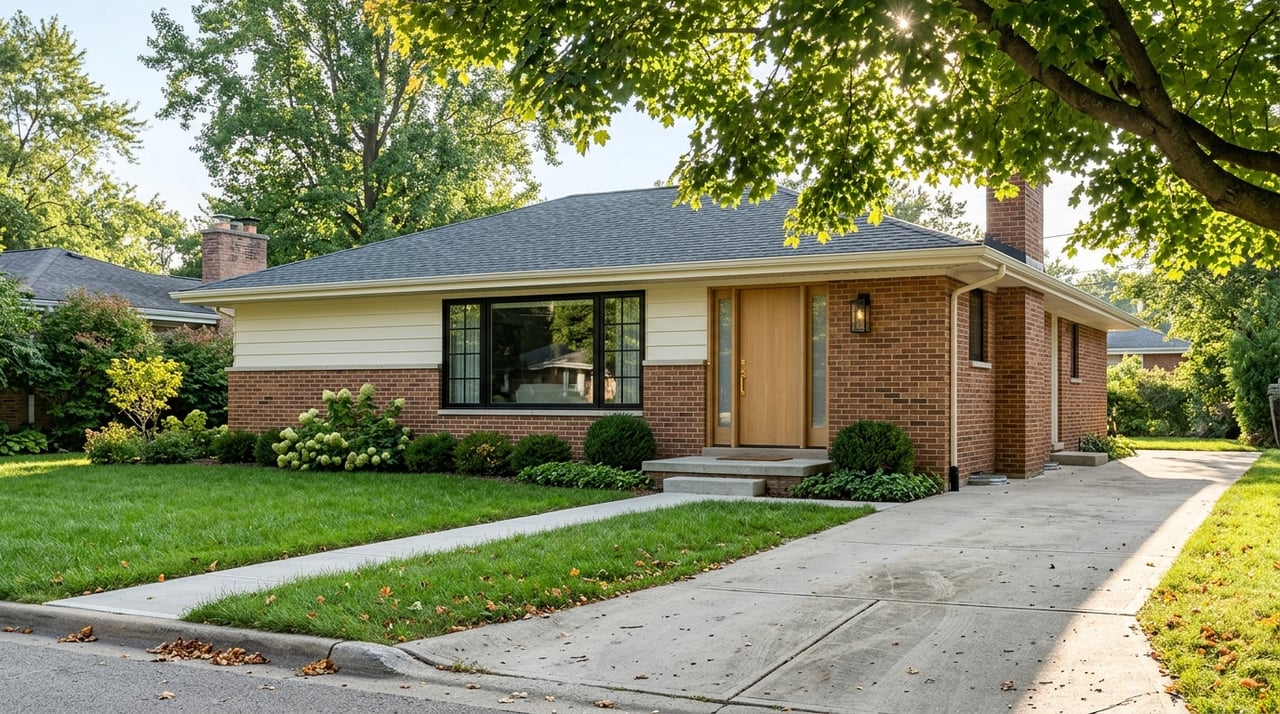
Many Kenwick buyers use the words “bungalow” and “Craftsman” together, and in this neighborhood, that makes sense. The National Park Service describes Craftsman bungalows as one- to two-story homes with broad, gently pitched gables, porches often tucked under the main roof, numerous windows, and interiors that emphasize natural materials and an easy flow between rooms.
In practical terms, that often means a home that feels efficient rather than oversized. You may find deep front porches, compact floor plans with fewer hallways, and living spaces that feel warm and functional. These homes often live larger than their square footage suggests because the layouts were designed to be practical.
Some Kenwick homes were also Sears and Roebuck kit houses, according to the neighborhood history. Because of that, original details can vary more than buyers sometimes expect. Trim, porch details, window patterns, and later additions may look quite different from one house to the next.
When you tour a Kenwick bungalow, it helps to focus on both charm and function. Original woodwork, porch connection, and window placement are part of what make these homes appealing. Those details often create the sense of craftsmanship that attracts buyers in the first place.
At the same time, older homes ask you to look beyond finishes. A nicely styled kitchen or fresh paint job does not tell you when the electrical system was updated or whether the insulation has been improved. In a bungalow, those behind-the-walls items often matter as much as the visible design.
If possible, pay close attention to the porch, roofline, and window rhythm. Those are some of the main features that help a bungalow feel true to its original form. Homes that preserve those elements often hold their architectural identity more clearly.
In Kenwick, age is part of the appeal, but it also comes with responsibilities. Homes built before 1978 are more likely to contain lead-based paint, especially on windows, doors, stairs, railings, and porches. If you plan to sand, scrape, or remove materials after closing, that risk becomes especially important.
Asbestos can also appear in older materials such as roofing, siding, pipe insulation, floor tile, patching compounds, and textured paint. The key issue is often disturbance. If materials are damaged or renovation work is planned, professional evaluation and handling may be needed.
Buyers should also ask direct questions about the major systems. Try to learn when the electrical, plumbing, roof, HVAC, and insulation were last updated. In older homes, these items are not cosmetic details. They are major drivers of comfort, maintenance costs, and long-term value.
One of the most important things to understand about Kenwick is that values do not move evenly across the neighborhood. In a character-home market, small differences can matter a lot. Original details, renovation quality, lot feel, and location within the neighborhood can all shape demand.
The first blocks off Richmond Road generally have the strongest concentration of bungalows, based on the neighborhood history. The second and third blocks include more homes built later, after the Depression. That means two houses with similar size may appeal differently depending on where they sit and how closely they reflect the neighborhood’s historic fabric.
Walkability is another major factor. In a neighborhood like Kenwick, proximity to Richmond Road, Kenwick Park, the Kenwick Community Center, and nearby businesses can support stronger buyer interest. Buyers often respond to the convenience of daily amenities, especially in established city neighborhoods.
At the outer edges of Kenwick, conditions can shift again. Historical development patterns included later additions closer to the railroad tracks and the industrial area along Mary, now National, and Delaware Streets. That is why it is smart to compare noise, parking, lot configuration, and update quality from block to block instead of treating the whole neighborhood as one pricing band.
When you are narrowing down choices, it helps to compare homes through a simple framework. In Kenwick, square footage alone rarely tells the whole story. The better comparison is usually character plus condition plus location.
Use this checklist as you tour or review listings:
This kind of side-by-side review can help you avoid overpaying for cosmetic updates while missing more important differences. In Kenwick, the best house for you may not be the one with the newest finishes. It may be the one with the strongest bones, the most intact character, and the best block fit.
If you are buying with renovation plans in mind, confirm parcel-specific rules early. Lexington says that properties within local historic districts must obtain approval for exterior changes through a Certificate of Appropriateness process. The city’s current H-1 district list does not list Kenwick, which suggests the neighborhood is not broadly covered by blanket local historic-district review.
Still, buyers should confirm the status of any parcel in Lexington MapIt rather than assume. Parcel-level review matters because rules for exterior work can affect timeline, budget, and design choices. If a home separately qualifies as historic, Kentucky Historic Preservation Tax Credits may also be relevant.
Two local public tools are especially useful when you are comparing homes in Kenwick. The city identifies the Fayette PVA as the official source for property ownership, assessments, sales information, and related data. Lexington MapIt can help you identify zoning, council district information, historic overlays, and other parcel-specific details.
Together, these tools give you a clearer picture of what you are buying. They can help you compare one block to another and spot differences that may not be obvious from listing photos alone. In a neighborhood with varied renovation quality and strong architectural identity, that extra diligence can pay off.
Buying a bungalow in Kenwick is partly about finding a house you love and partly about understanding what gives that house lasting value. When you balance charm with careful due diligence, you put yourself in a much stronger position to buy confidently. If you want a tailored strategy for evaluating Kenwick homes block by block, connect with Bradford Queen for concierge-level local guidance.
Every move is unique, and success is measured by both the experience and the outcome. In partnership with Bradford, every detail will be handled with persistence, discretion, and care.
Let's Connect

Bluegrass Sotheby's International Realty 1999 Richmond Road, Suite 400 Lexington, Kentucky 40502