An Ashland Park Lexington Fall Walking Guide for Sundays
August 27, 2026
August 27, 2026
Ask Jim Clark why his organization spent last September hosting a brewery's fall festival on a National Historic Landmark's front lawn, and the answer isn't complicated: the grounds already had more than a decade of practice hosting something almost as casual. Clark is executive director of the Henry Clay Memorial Foundation, which runs Ashland, the Henry Clay Estate, the seventeen-acre property bordering Ashland Park. For most of its life as a museum, that property has been something you toured on a docent's schedule. Quietly, alongside the ticketed tours, it has also spent more than ten years being something neighbors just show up to. Last fall, the estate started building on that habit in a much bigger way.
A weekly yoga class that's been meeting on the lawn for over a decade. A new fall beer festival that didn't exist two years ago. A coffee shop that opened around the corner on South Ashland Avenue last summer. None of these are separate stories. They're what happens when a landmark that's long required a ticket for the house tour quietly kept a side door open for the neighborhood, and then started walking through that same door with something much bigger.
For most of Ashland's life as a museum, the main invitation to the grounds ran through a docent. You bought a Signature Tour ticket, or the Traces: Slavery at Ashland tour, or the Women's Voices tour offered Tuesdays and Thursdays, and a guide walked you through the eighteen rooms of the reconstructed mansion before turning you loose on the acreage outside. That's still how most visitors experience Ashland.
It is not how a lot of residents experience it. Every Sunday morning from July 5 through October 4 this year, the estate hosts a free, all-levels yoga class on the lawn at 11 a.m., no ticket or house tour required, mat optional. This is its eleventh season. One Tripadvisor reviewer, writing about an afternoon visit to tour the mansion, put the gap between the two audiences plainly: "I just wish I would have known about the Sunday morning yoga class." Eleven seasons in, the estate has clearly been telling its neighbors. Plenty of the day's paying visitors still have no idea.
The weekly yoga class is the small, recurring version of a bigger shift. Last September, the Foundation hosted Parktoberfest, a full day of programming on the grounds put on with West Sixth Brewing, one of Lexington's better-known local breweries. It was the estate's first event of that kind, and Clark was direct about why it made sense.
"Our large lawn and dense tree canopy will be perfect for all-day gathering."
That's a different pitch than a house museum usually makes. Ashland's calendar has long included seasonal house tours and a candlelight Christmas walk through the mansion. An all-day festival on a National Historic Landmark's lawn is aimed less at the history-curious out-of-towner and more at the neighbor looking for a reason to spend a Saturday outside within walking distance of home. If Parktoberfest returns this fall, it'll be doing it on ground the estate has already spent a year training its own neighbors to treat as available.
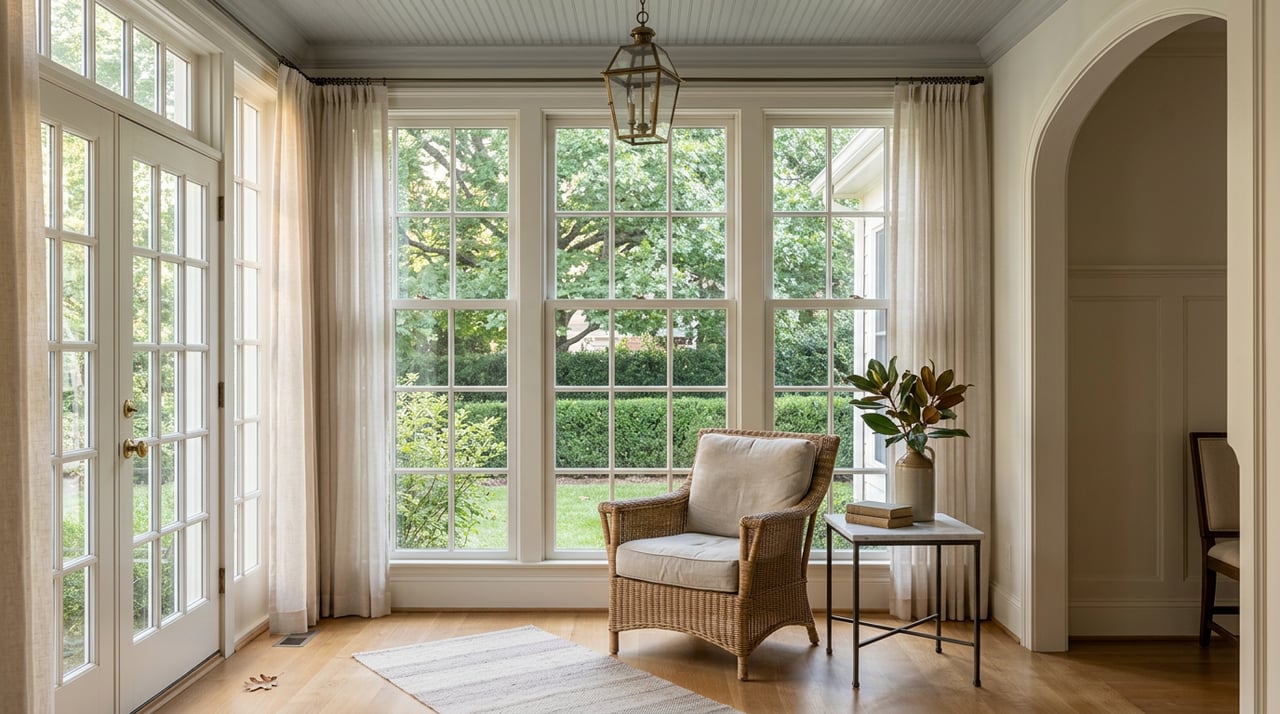
None of this works without the trees, and the trees didn't show up recently. Ashland's grounds include an arboretum of more than 400 trees across 44 species, alongside the self-guided outbuildings tour, walking trails, and gardens that make the property feel more like a park than a fenced museum lot. That density of canopy is exactly what Clark pointed to when he described the lawn as built for gathering. The house itself dates to the early 1800s, though the Foundation has run it as a preserved museum property for nearly a century, long enough for the tree canopy to fill in around both the tours and, more recently, the yoga mats.
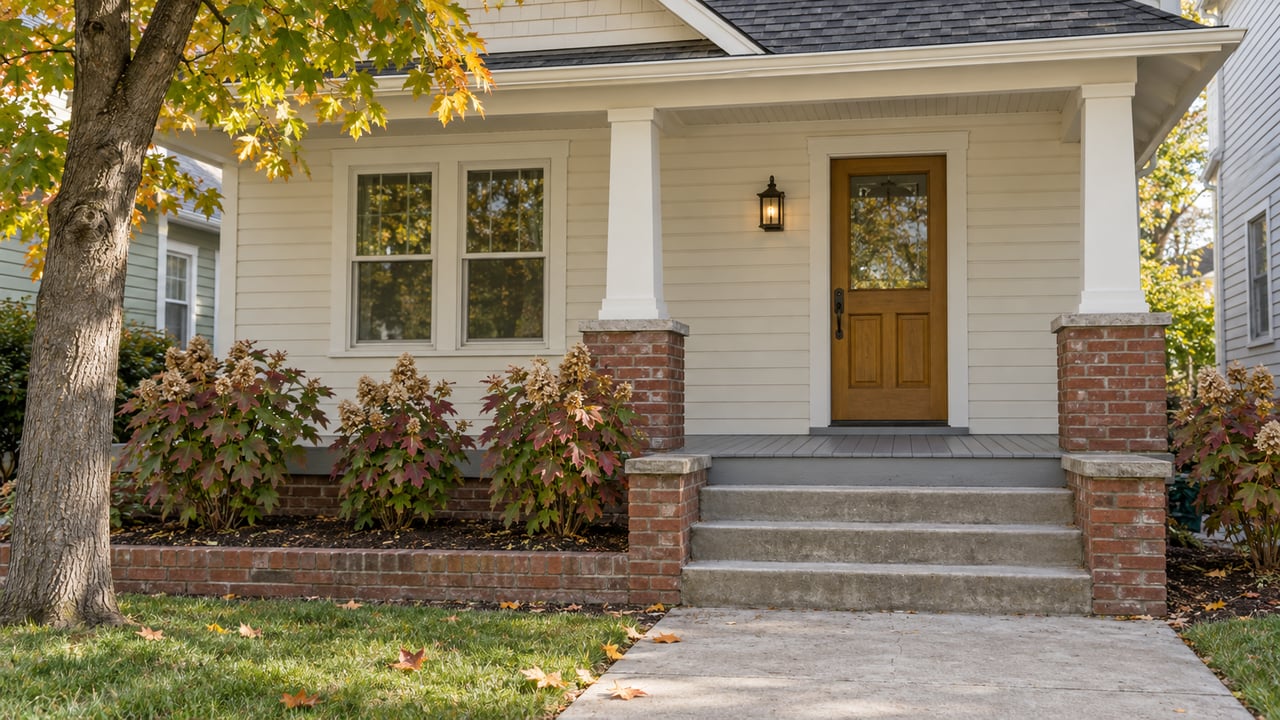
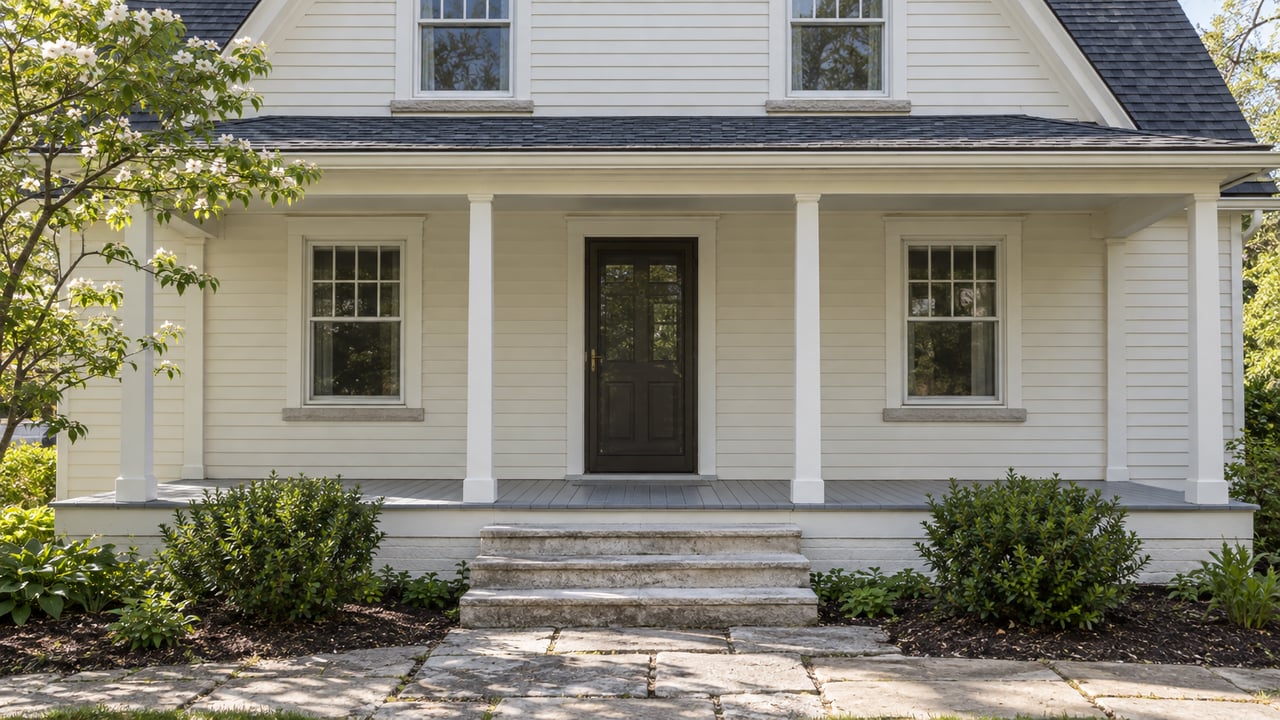
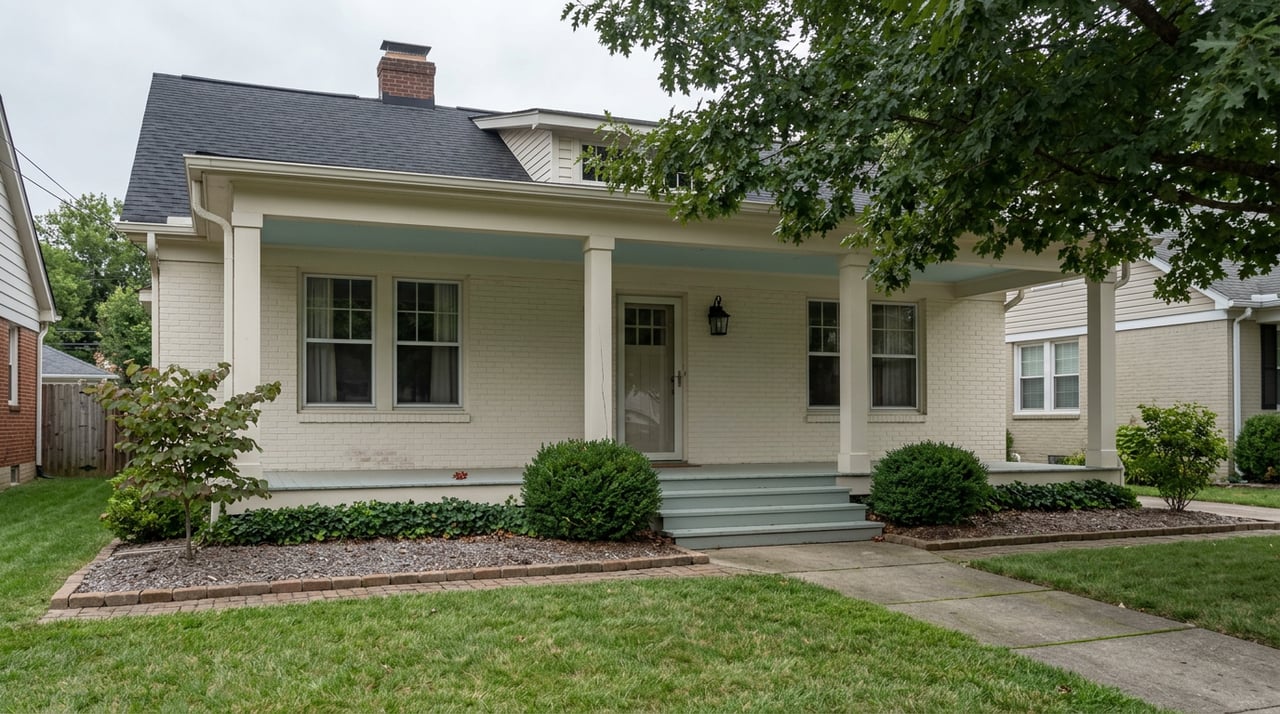
The neighborhood surrounding it was designed with the same instinct. In 1904, the Clay family hired the Olmsted Brothers firm out of Brookline, Massachusetts, the same family of landscape architects behind Central Park's design lineage, to lay out a residential development on the old estate grounds. Construction ran roughly fifteen years and wrapped around 1930. The plan called for heavy tree planting, generous green space, and curving streets that deliberately avoid right-angle intersections, the same Olmsted signature you'd recognize from other planned communities of that era. The National Park Service's own travel listing for the Ashland Park Historic District still describes that layout, along with the mix of Colonial Revival, Craftsman, Bungalow, Tudor Revival, and half a dozen other architectural styles that filled in the plan over the following decades.
The neighborhood association has kept that tree canopy alive on its own end, too. Over the past 20 years, the Ashland Park Neighborhood Association's tree committee has planted more than 150 trees in the common medians and small park spaces scattered through the district. Members can sponsor a small granite marker next to a tree in Harvey Park in memory of someone, a low-key kind of memorial that most people driving through would never clock as anything but landscaping. Put the estate's arboretum next to the neighborhood's own median plantings, and the shared logic is hard to miss: this was never a neighborhood that treated trees as decoration. The estate opening its lawn for weekly programming isn't a break from that history. It's a continuation of it.
The last piece is newer and smaller, but it closes the loop. In July 2025, Char on Ashland opened at 316 South Ashland Avenue, a few blocks from the estate gates. It's the work of Rollie Mills, who runs the coffee side, and his father Tony Mills, whose family also has a stake in two Wild Eggs restaurants around Lexington. The name comes from the charred pizza crust, the roasted coffee, and a bourbon barrel wall inside.
A few specifics worth knowing if you haven't stopped in yet:
None of that makes Char a destination on its own. What it does is give the walk from an Ashland Park front door to the estate's lawn an actual stop along the way, coffee before yoga, or a slice after a walk through the arboretum trails. Before last summer, that walk started and ended at your own front step. Now it has a middle.
Put it together and a fall Sunday in Ashland Park looks fuller than it did even a year or two ago. Walk a few blocks to South Ashland Avenue, get a latte at Char while the espresso machine is still warming up for the day. Continue on to the estate grounds by 11, roll out a mat on the same lawn that's hosted this yoga class for eleven seasons running, and spend the next hour under trees the Foundation has been cataloging by species for longer than most residents have owned their homes. Walk the arboretum trails afterward if the morning's still cool enough. None of it costs more than a coffee, and none of it required knowing a docent's tour schedule.
That's the actual change here. Ashland Park has quietly had this kind of access for over a decade. What's new is that the estate itself decided to build on it rather than just tolerate it, adding a full festival with a local brewery on top of a yoga class that used to be the whole story. A neighborhood that already treated its trees as more than landscaping just got a landmark willing to say so out loud.
If you're already living this Sunday and wondering what a home in this stretch of Fayette County is actually worth given how the neighborhood keeps evolving around it, Bradford Queen knows this market block by block and is always glad to talk through what you're seeing on the ground.

Every move is unique, and success is measured by both the experience and the outcome. In partnership with Bradford, every detail will be handled with persistence, discretion, and care.
Let's Connect

Bluegrass Sotheby's International Realty 1999 Richmond Road, Suite 400 Lexington, Kentucky 40502